
European XCM Champion!
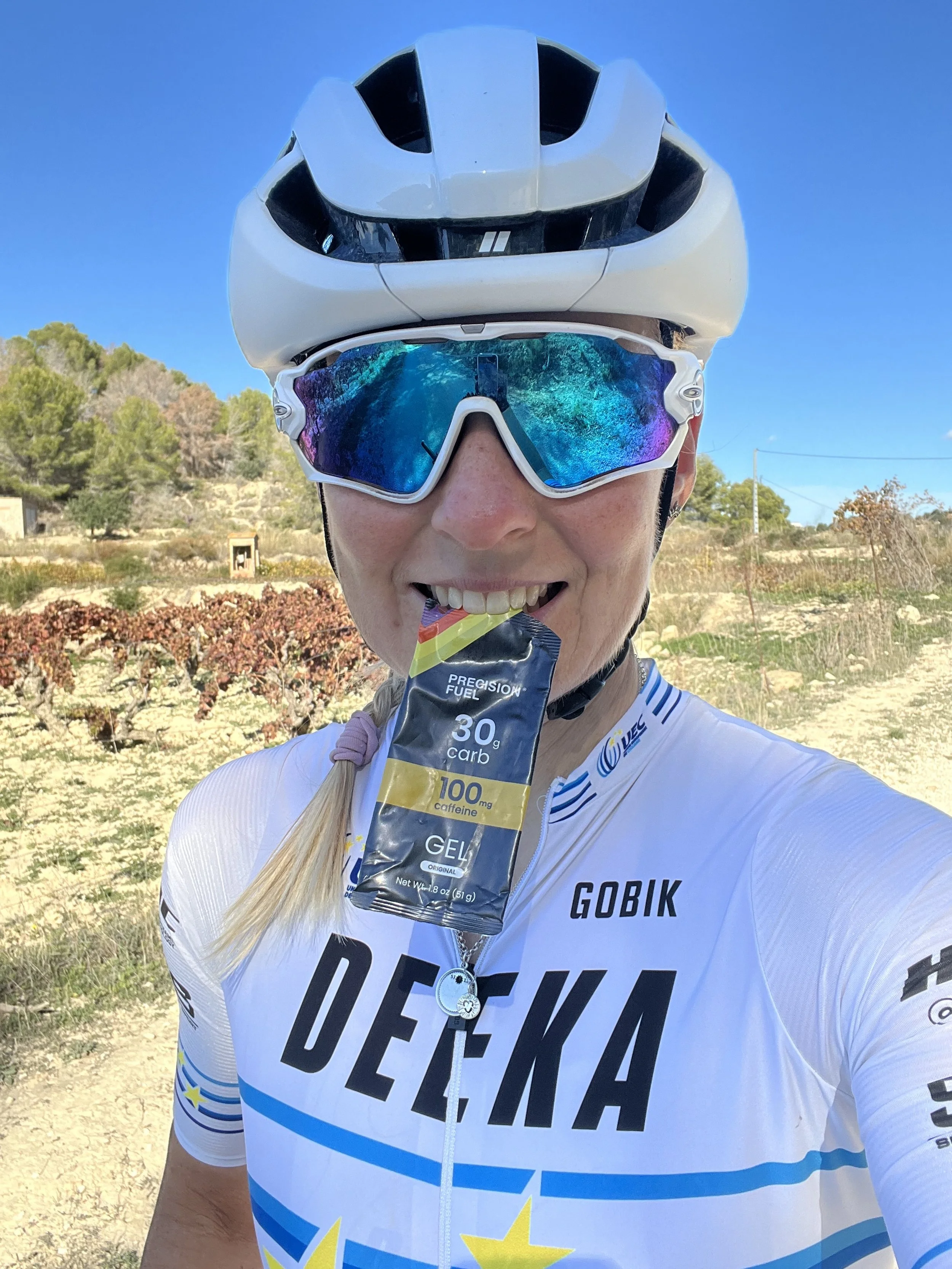
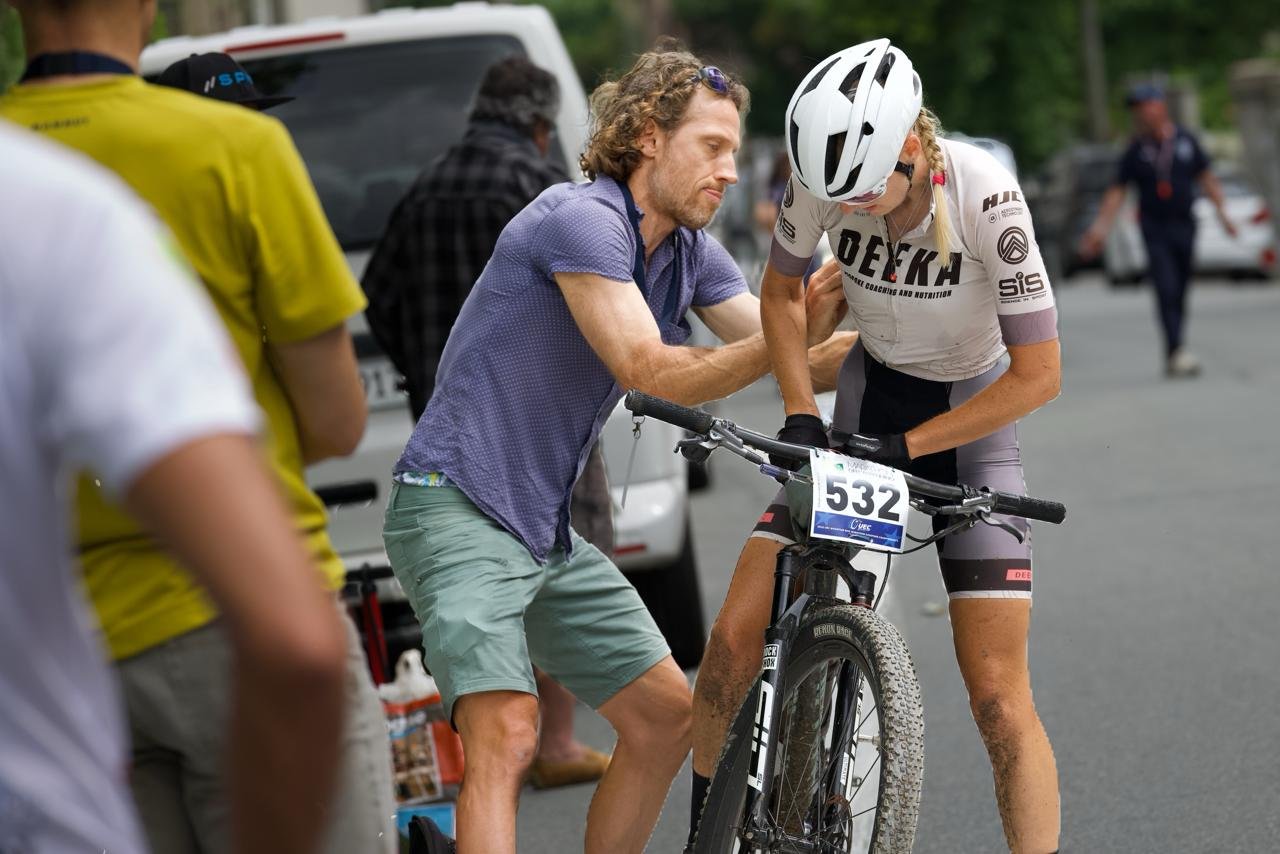
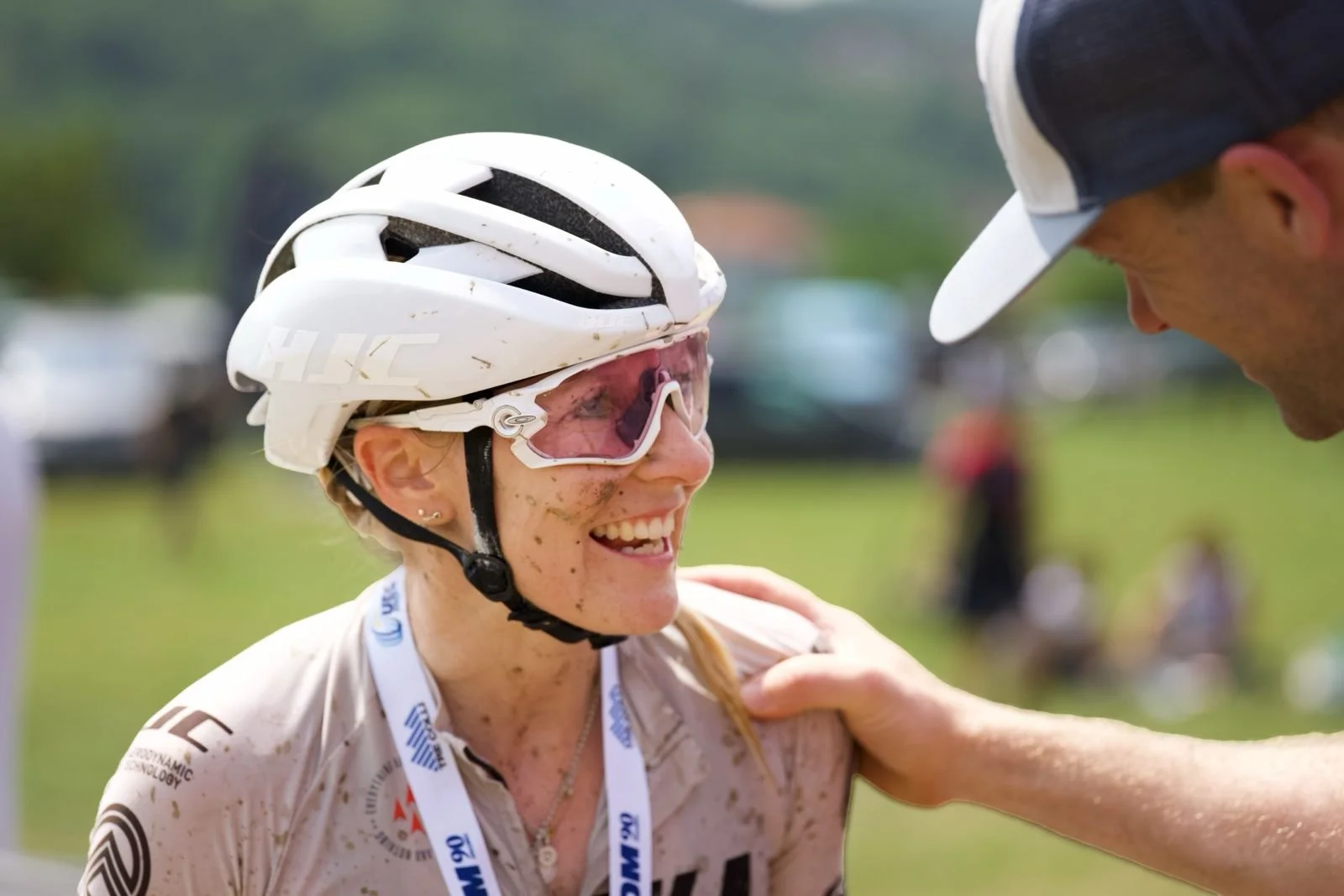
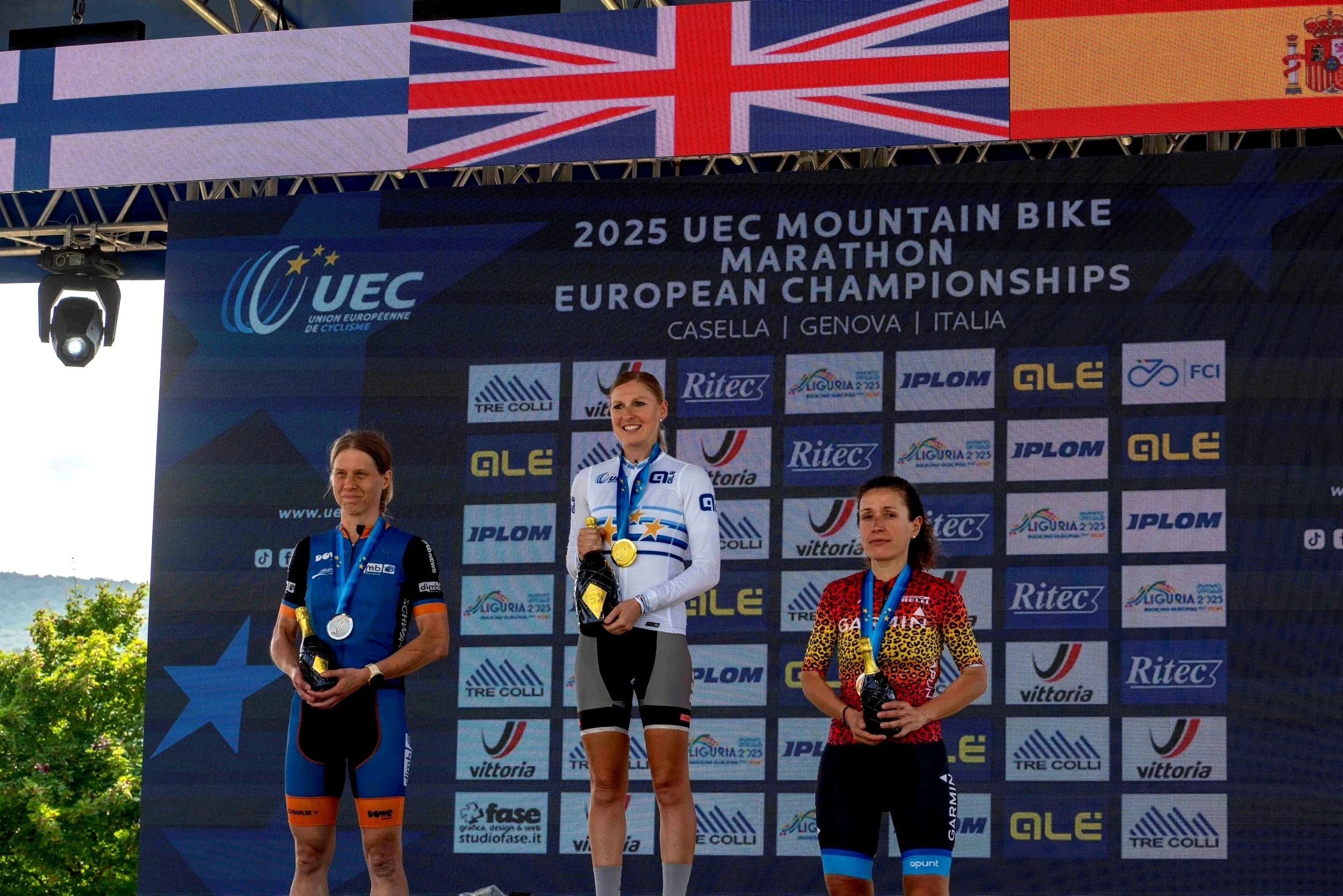
I can’t believe I’m only writing this now, but in June 2025, I raced the XCM W40 European Championships in Italy and came away with the win.
That still feels surreal to type.
The course was absolutely no joke: 85km with 3000m of climbing, a proper endurance mountain bike test, and it took me 5 hours 20 minutes to get it done. The field was stacked too, the kind of race where you look around and see ex world champions and genuinely strong, experienced riders who know how to suffer and how to race.
And yet… I won.
Not just as a personal milestone, but also as something that feels really meaningful for our coaching business too, because it’s proof in the most real-world way that we really do practice what we preach. So, I wanted to reflect on the experience in a bit of an interview-style format, and share what actually made the difference on the day.
“You knew you might have a shot at the podium… maybe even the win. How did you deal with that pressure?”
It sounds so strange saying this, especially because pressure used to affect me so much; but honestly? I didn’t really feel pressure. Not on race day, and not in the lead-up either. Of course there were nerves (there were definitely moments where it was enough to give me that proper sick feeling in my stomach), but it didn’t feel like pressure. It didn’t feel heavy.
I think a big reason for that is that my training and preparation had been really high quality, and I knew that. I also knew I’d executed a really good long-term strategy in the months and years leading up to this race. And the other part, which I genuinely believe is underrated; was how I managed my mind.
My approach was basically this: I let myself think about the race when I was on the bike, training. But away from training? I gave myself permission to be an “ostrich” and completely forget it was even happening. That helped my brain switch off, process things properly, and not live in that constant state of “build-up stress”. It created space. And in a weird way, that space removed the pressure.
“Did you have any low points out there?”
Yes. A big one. I started cramping at two hours in; which is… not ideal in a race that lasts over five hours. At the time, I genuinely thought I might be in trouble. Later we found out the reason was honestly quite ridiculous: I’d switched to lighter pedals, and the stack height was slightly different, which effectively lowered my saddle. That tiny change was enough to trigger really painful cramping.
But I have to say, the support I had was incredible. My brother and James were both there helping me, and they were so calm. Their advice was practical and controlled, and because they weren’t panicking, I didn’t panic either. I just accepted that it could turn into a really tight race, and I told myself: “Okay. It hurts. But you can still do this.”
It was a mix of being kind to myself, and also giving myself that tough-love talk. No drama, no spiralling; just dealing with the situation and continuing to race.
And the high point? Easy. The finish. Knowing I’d pulled it off, knowing the jersey was mine… that feeling was massive. But also, mid-race, I had a real sense of joy whenever we hit the climbs, because climbs are my strength. I kept thinking: make hay while the sun shines. I knew I was climbing well and extending my lead there, and that was such a satisfying feeling.
“Fueling is a huge part of XCM. What did you do nutrition-wise?”
Okay… slight confession. I actually got it wrong! And I’m honestly not ashamed to admit that, even as a nutritionist. My pre-fuelling in the days leading into the race was spot on. But during the race itself, I overdid it in the second half. I had a few too many gels, and I paid for it… big time. Hello swollen stomach. Whoops.
My sweet spot is usually around 100g of carbs per hour, but I think I pushed it up to around 110g/hr during this race. I’ve done that before without issues, but I also had more liquid here, and I think that combination tipped me over. So yes, even when you “know what to do”… race-day execution still matters. And sometimes you learn lessons the hard way.
“What are the key learnings you’re taking into 2026?”
One of the biggest learnings was that I can be aggressive if I want to be; and if I need to be. I created the initial separation early on by attacking the first climb. That’s very unlike me. Normally I race more patiently and let the course do the damage over time, a war of attrition style, letting the race naturally unfold. But this time I knew my strengths and weaknesses, and I knew this was a smart move.
After that, I kept pushing on the hard bits and focused on surviving the technical descents; classic mountain bike racing: make the hard bits hard. The other huge learning was just how powerful support is. I don’t usually race with the luxury of having people there feeding me, cheering me on, and keeping me calm. I rode the World Championships solo; completely different vibe. Having “my people” there was honestly so motivating. It makes a massive difference.
“How does this win rank among your other victories?”
Undoubtedly, it’s the biggest win of my career. And wearing the European jersey every day in training is genuinely such a special feeling. But… here’s the interesting part: in terms of intrinsic reward, I’ve felt just as excited about other performances too, for different reasons. This one is huge, and it will be hard to beat. But what I love is that it also changes nothing.
My lifestyle doesn’t change. My drive doesn’t change. My ambition doesn’t change. And that’s a grounding thought, and honestly, a really rewarding one.
The bigger picture: why this matters beyond one race
This race was a reminder of something I believe deeply; as an athlete, and as a coach:
Winning isn’t usually about one magic workout or one heroic day.
It’s about stacking the right decisions over time.
It’s about preparation you can trust.
It’s about learning how to manage pressure.
It’s about being resilient when things go wrong (because something always goes wrong).
And it’s about having the confidence to race to your strengths.
And yes, it’s also proof that we really do practice what we preach. Because this wasn’t luck. It was the process working exactly as it should. And I’m proud of that.